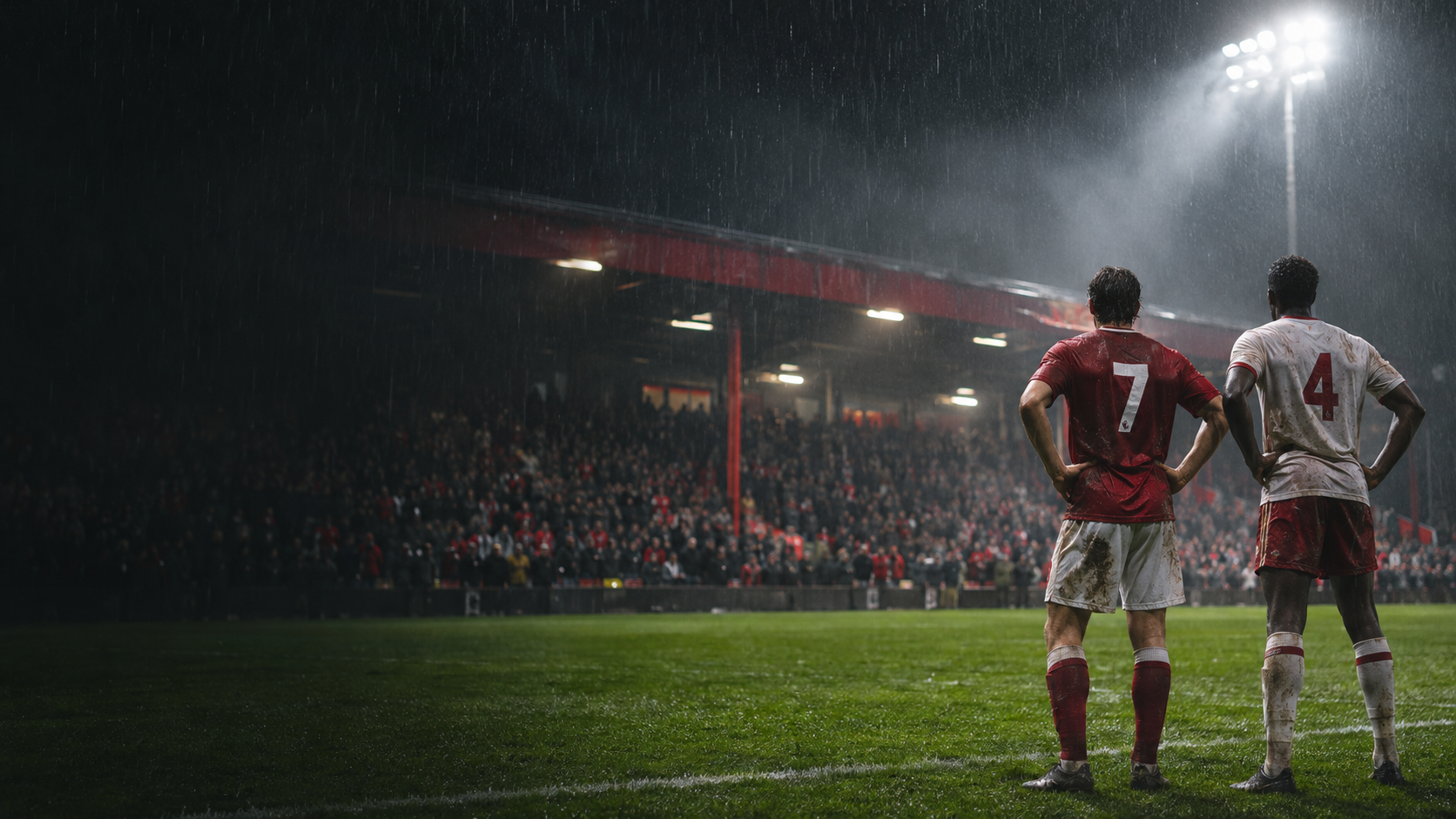
The 3–2 defeat in Istanbul followed the Arsenal loss. The scorelines are different; the moments Liverpool could not control are the thread between them.
A 3–2 defeat can invite a simple verdict: Liverpool defended badly. The timeline makes the problem harder to dismiss, and more useful to examine. Liverpool went in front twice at Fenerbahçe. On both occasions, the home side were level four minutes later.
Trey Nyoni’s first senior Liverpool goal came on 25 minutes. Mason Greenwood equalised on 29. Alexander Isak restored the lead in the 69th minute; Archie Brown answered on 73. Vedat Muriqi’s 79th-minute goal then settled a game that had been Liverpool’s to manage.
The pause after a goal is part of the job
Scoring changes the shape of a match. The team in front has a short stretch to reset its distances, protect the middle and make the opponent build again. Liverpool did not get that stretch in Istanbul. Fenerbahçe’s response after each goal was immediate enough to turn celebration into another defensive emergency.
That does not prove both concessions had the same cause. One came from a deflected free-kick; the other from open play. But the repeated timing points to a game-management question that a goals-against tally alone cannot capture: how quickly did Liverpool regain control after the emotional and tactical jolt of scoring?
Arsenal posed a different question
Three days earlier, Liverpool lost 1–0 to Arsenal at Anfield. Opta recorded 17 Liverpool attempts and no shot on target. That was a problem of turning pressure into a finish. Istanbul was different: Liverpool found two goals, then failed to make either lead last.
Putting the two results together is useful only if we keep those differences intact. One match raises questions about chance quality; the other about what happens immediately after Liverpool score. Calling both simply a ‘crisis’ would be louder, but it would tell us less.
The next evidence matters more than the label
Two defeats in four days deserve scrutiny, not a verdict on the whole season. The next matches will show whether Liverpool can make their pressure produce accurate attempts and, when they do score, get the following phase under control. Those are separate tests. Both now need an answer.
Sources & further reading
- Liverpool FC match report
Result, scorers and official match account.
- This Is Anfield match timeline
Goal minutes used in the timeline above.
- Opta Analyst: Arsenal match data
17 attempts and no shots on target against Arsenal.
- Sky Sports match report
Independent report on Liverpool losing both leads.
External links open in a new tab. Facts are attributed; the interpretation above is Mr Anfield’s own.